Anticoagulant Rodenticides and Their Impact on Wildlife in Israel
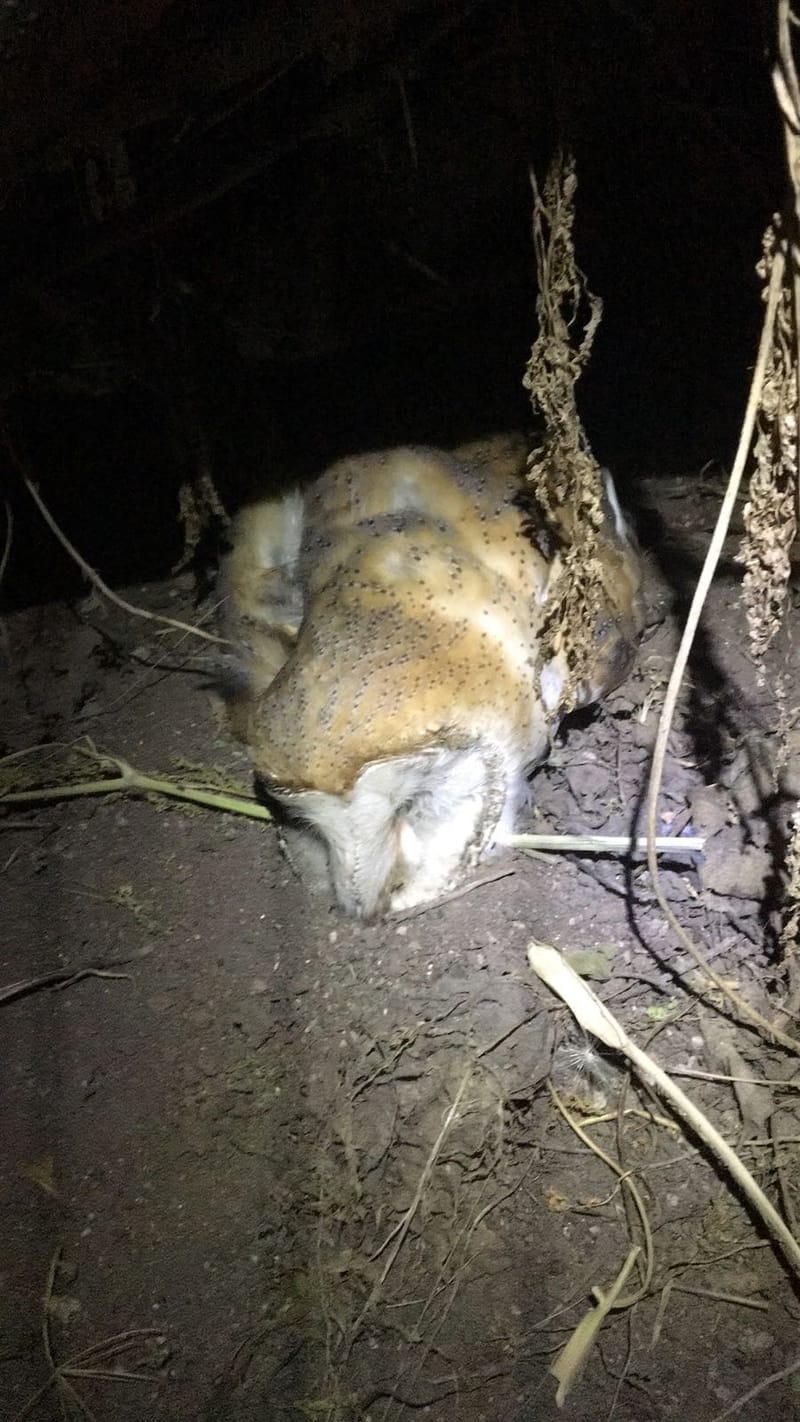
Our research focuses on the widespread use of anticoagulant rodenticides in Israel and their unintended consequences for wildlife, particularly bird and mammal predators. These toxic compounds are commonly used to control rodent populations in agricultural and urban environments. However, they often enter the food chain when predators consume poisoned prey, leading to secondary poisoning.
Through field studies and toxicological analyses, we investigate the extent of exposure in species such as raptors, jackals, foxes, and other carnivores. Our work aims to quantify contamination levels, identify high-risk areas, and understand how these substances affect predator health, survival, and ecosystem balance.
By highlighting the ecological risks associated with rodenticide use, our research contributes to raising awareness among policymakers, farmers, and the public. Ultimately, our goal is to promote more sustainable and wildlife-friendly pest management practices that protect biodiversity and ecosystem function.